home/ plants/ devils-walking-stick

// SPECIES PROFILE · TREE · NATIVE

Devil's Walking Stick

Aralia spinosa

Devil's Walking Stick (Aralia spinosa) is a tree in the Araliaceae family. Native range includes AR, KS, MO, OK. Hardy in zones 5a–9a. Mature size 8'–20'. Blooms Jun–Sep.

// QUICK FACTS
Family
Araliaceae
Group
tree
Native range
Native to 25 U.S. states, including AL, AR, DC, DE, FL, GA…
USDA hardiness
Zones 5a–9a
Mature size
8'–20'
Sun
Part shade
Water
High · moisture-loving
Bloom
Jun–Sep
Wildlife value
High — pollinator and wildlife support
Ecological role
dramatic tropical-looking native · pollinator magnet · edible young shoots
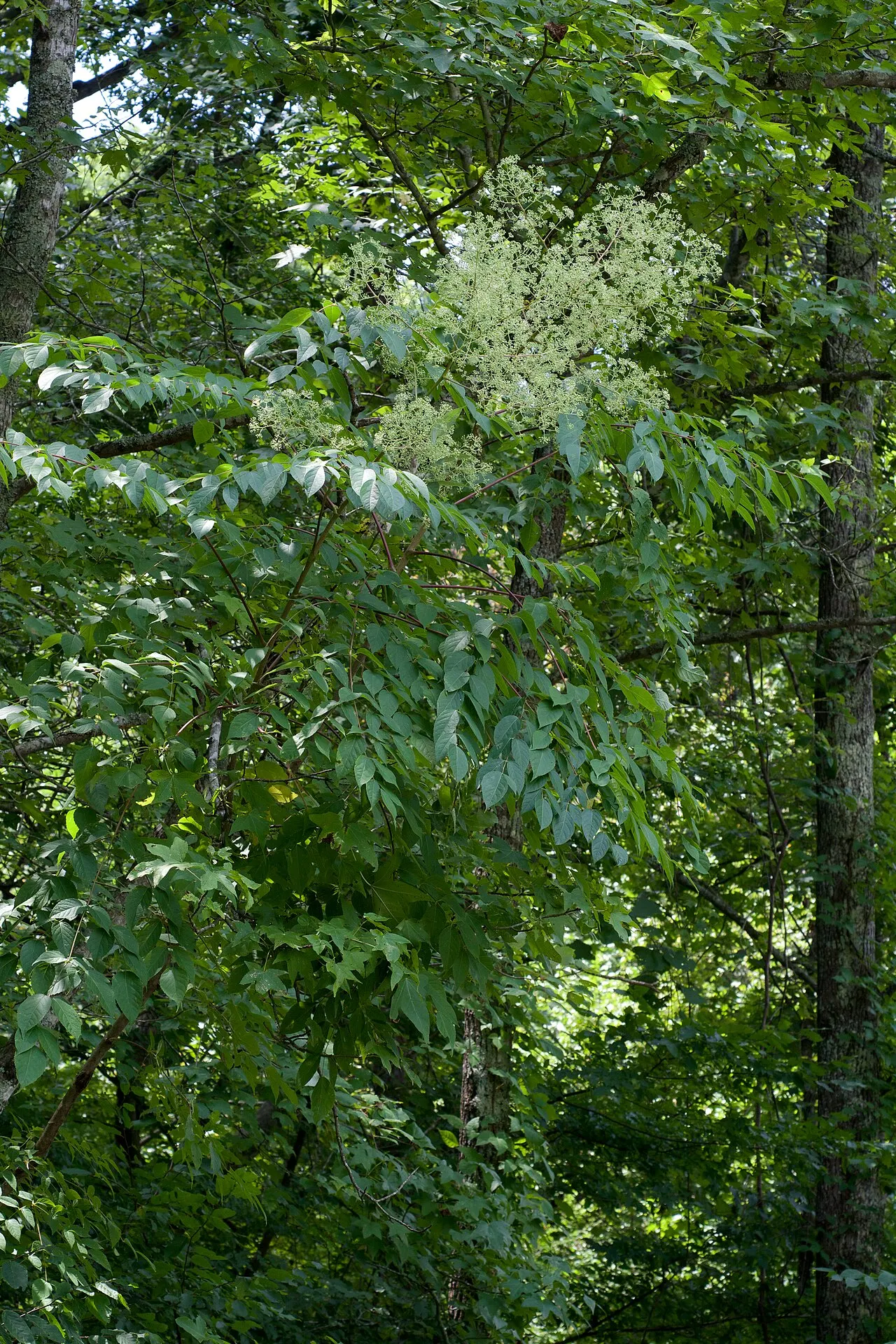
Devil's Walking Stick (Aralia spinosa)
Aralia spinosa — Devil's Walking Stick. Photo by Eric Hunt via Wikimedia Commons (CC BY-SA 4.0).

Field Notes

[ growing · ecology · siting · care ]

Devil's Walking Stick (Aralia spinosa) is a tree in the Araliaceae family. Native range includes AR, KS, MO, OK. Hardy in zones 5a–9a. Mature size 8'–20'. Blooms Jun–Sep.

Why it's on this list: dramatic tropical-looking native · pollinator magnet · edible young shoots. Native-range data from the Lady Bird Johnson Wildflower Center (NPIN), cross-checked against iNaturalist observations. Part of Rooted Revival's regional native plant catalog — true natives for Oklahoma, Arkansas, Missouri and Kansas.

Companion Planting

[ guild · polyculture · cross-layer pairings ]

In the same native range, devil's walking stick pairs naturally with: American Persimmon (Diospyros virginiana), American Sycamore (Platanus occidentalis), Black Cherry (Prunus serotina), Black Locust (Robinia pseudoacacia).

← All species