home/ plants/ croton-glandulosus

// SPECIES PROFILE · ANNUAL · NATIVE

Tooth-leaved croton

Croton glandulosus

Tooth-leaved croton (Croton glandulosus) is a annual in the — family. Native range includes AR, KS, MO, OK. Hardy in zones 2b–11b. Mature size 6"–4'. Blooms Jul–Oct.

// QUICK FACTS
Family
Group
annual
Native range
Native to 27 U.S. states, including AL, AR, DE, FL, GA, IA…
USDA hardiness
Zones 2b–11b
Mature size
6"–4'
Sun
Full sun
Water
Bloom
Jul–Oct
Wildlife value
Pollinator and wildlife support
Ecological role
native species profile
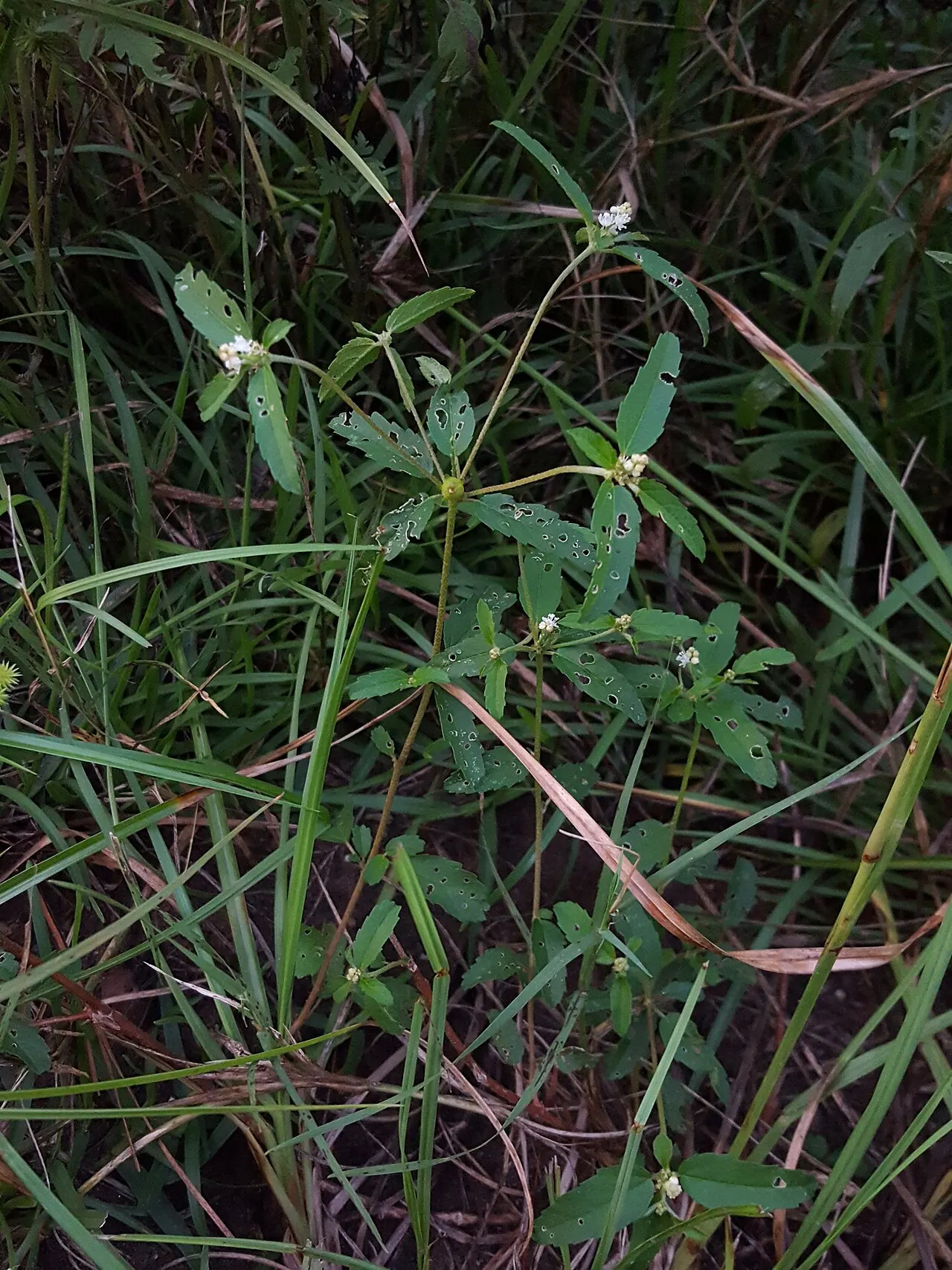
Tooth-leaved croton (Croton glandulosus)
Croton glandulosus — Tooth-leaved croton. Photo by Alex Abair via Wikimedia Commons (CC BY 4.0).

Field Notes

[ growing · ecology · siting · care ]

Tooth-leaved croton (Croton glandulosus) is a annual in the — family. Native range includes AR, KS, MO, OK. Hardy in zones 2b–11b. Mature size 6"–4'. Blooms Jul–Oct.

Why it's on this list: native species profile. Native-range data from the Lady Bird Johnson Wildflower Center (NPIN), cross-checked against iNaturalist observations. Part of Rooted Revival's regional native plant catalog — true natives for Oklahoma, Arkansas, Missouri and Kansas.

Companion Planting

[ guild · polyculture · cross-layer pairings ]

In the same native range, tooth-leaved croton pairs naturally with: Black-Eyed Susan (Rudbeckia hirta), Common Sunflower (Helianthus annuus), Plains Coreopsis (Coreopsis tinctoria), Partridge pea (Chamaecrista fasciculata var. fasciculata).

← All species